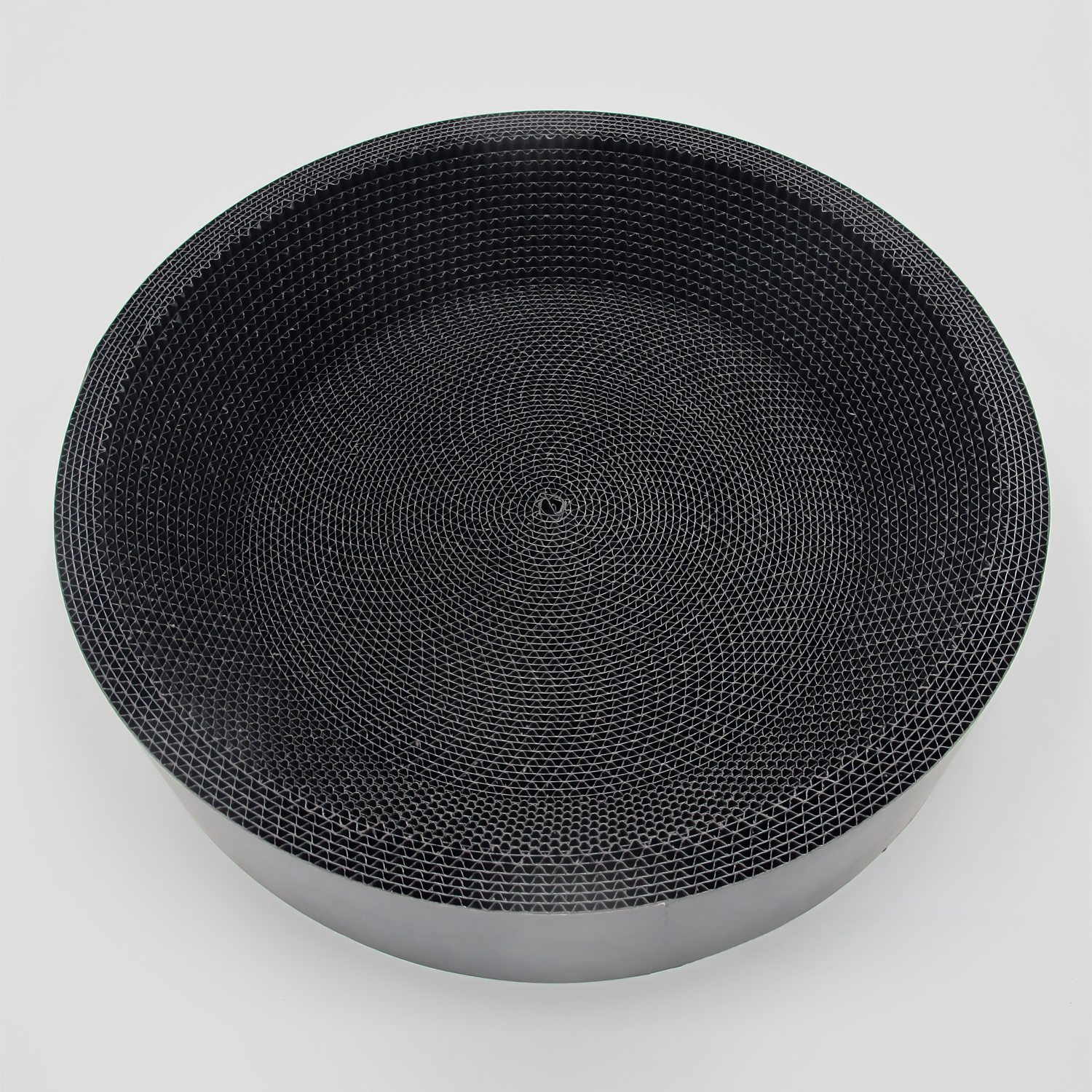
Choosing the right resting surface for a feline companion often feels like a gamble. Cats notoriously reject expensive beds in favor of the packaging they arrived in, making feline bedding one of the highest-risk purchases for pet owners and retail buyers alike. Buyers must balance a cat’s biological need for territory marking and security with human requirements for home aesthetics, hygiene, and product longevity. Resolving this requires moving beyond aesthetic preferences to evaluate the structural, behavioral, health, and economic differences between corrugated cardboard and woven or plush fabrics. You need to understand how materials interact with feline instincts. We will break down the exact specifications, material behaviors, and adoption strategies that dictate whether a cat uses a bed or ignores it.
Key Takeaways
Behavioral Alignment: Cardboard beds serve a dual function as a resting space and a territorial marking zone, while fabric beds prioritize thermal regulation and joint support.
Maintenance & Lifespan: Fabric beds offer multi-year longevity but require regular laundering to manage allergens; cardboard beds are consumable, requiring replacement every 3–6 months depending on usage.
Health & Safety Profiles: A soft cat bed requires strict dander and dust mite management, whereas cardboard options present minor floor dust and ingestion (pica) considerations.
Cost-to-Value Ratio: While cardboard options have a lower initial price point, high-quality plush beds often yield a better long-term ROI due to their extended lifecycle.
Sourcing Considerations: For commercial buyers, partnering with the right cat bed supplier for either material dictates shipping efficiency (flat-pack vs. vacuum-sealed), minimum order quantities (MOQs), and customization potential.
Understanding Feline Sleep and Territorial Behaviors
Cats sleep 12 to 16 hours daily. This massive time investment means their resting environment directly impacts their physical health and psychological stability. Defining what constitutes a successful bed adoption requires looking at measurable outcomes rather than human assumptions of comfort. You can measure success through specific behavioral indicators.
Consistent daily use during primary sleep cycles, rather than just occasional daytime lounging.
A measurable reduction of destructive scratching behavior on household furniture, indicating the bed satisfies territorial needs.
Visible deep REM sleep postures, such as exposed bellies or fully relaxed limbs, proving the cat feels entirely secure in the space.
Texture drives feline psychology. Cats possess pedal scent glands located between their paw pads. When they scratch a surface, they deposit unique pheromones while simultaneously leaving visual markers. This dual-action establishes clear ownership of a resting space. A bed that allows for this scratching behavior fulfills a deep instinctual drive. Without an appropriate outlet, cats redirect this territorial marking to couches, rugs, or door frames. The material must offer enough resistance to shed dead claw sheaths without catching and tearing the nail.
Thermal requirements dictate bed preference heavily. A cat's baseline body temperature ranges from 100.5°F to 102.5°F, significantly higher than a human's resting temperature. Different materials facilitate or hinder heat retention during sleep cycles. Cats naturally seek out materials that reflect their body heat back to them, especially in cooler environments. Understanding this thermal dynamic explains why a cat might abandon a bed placed in a drafty hallway, regardless of how soft the material feels.
Material Type
Heat Retention Capacity
Ideal Ambient Environment
Corrugated Cardboard
Low (Highly breathable)
Warm climates, summer months, heated rooms
Standard Cotton Blend
Medium (Moderate insulation)
Temperature-controlled indoor spaces
Sherpa / Faux Fur
High (Reflects body heat)
Cold climates, winter months, drafty floors
Multi-cat households introduce complex social dynamics. Resource guarding frequently occurs around high-value resting spots. Household hierarchy dictates bed preference and access. A dominant cat will quickly claim the most desirable location, often forcing subordinate cats to sleep in less optimal areas. You must provide multiple resting stations distributed throughout the home. Providing varying textures across different rooms prevents territorial disputes and reduces ambient household stress.
The Case for the Cardboard Cat Bed
Corrugated paper offers specific structural mechanics that appeal to feline anatomy. High-density corrugated layers provide firm orthopedic support. Manufacturers typically use B-flute or C-flute corrugation, which dictates the thickness and rigidity of the board. The rigid flutes distribute weight evenly across the surface. This firmness appeals to cats that prefer solid ground over sinking cushions. The texture perfectly satisfies the scratching instinct. The resistance of the paper mimics tree bark, offering an ideal medium for claw maintenance.
Many designs capitalize on dual-purpose utility. Combining a scratching post and a lounger into a single footprint maximizes floor space. A well-designed cat scratcher bed serves as an activity center and a sleep station. Cats can wake up, stretch, scratch, and go back to sleep without leaving the unit. This efficiency makes these products highly attractive for apartment dwellers with limited square footage. The contoured shapes, often resembling infinity symbols or shallow bowls, cradle the cat's spine while keeping the scratching surface easily accessible.
Environmental impact remains a strong selling point for paper-based products. Cardboard boasts an eco-friendly lifecycle. Most units consist of highly recyclable materials, often utilizing post-consumer recycled paper. Manufacturers increasingly utilize non-toxic, pet-safe glues derived from cornstarch rather than industrial adhesives. When the product reaches the end of its usable life, you simply toss it into the recycling bin. This sustainable approach appeals to environmentally conscious consumers looking to reduce their household waste.
Adoption risks and safety concerns exist with corrugated materials. The primary drawback of a cardboard cat bed is the mess. Vigorous scratching leads to paper shredding. This creates floor debris that requires frequent sweeping or vacuuming. Additionally, cardboard lacks thermal insulation. In colder climates, cats may abandon these beds during winter months in search of warmer surfaces. Owners must also monitor for pica. While rare, some cats develop a habit of chewing and ingesting shredded paper, which can cause minor digestive blockages if left unchecked.
The Case for the Fabric and Plush Cat Bed
Fabric options dominate the traditional pet market due to their perceived comfort and aesthetic variety. Material composition dictates the level of comfort and heat retention. Standard cotton blends offer breathability for warmer climates, while synthetic fibers provide durability. Sherpa and faux fur provide intense thermal reflection for winter use. Memory foam bases deliver superior weight distribution. A high-quality plush cat bed combines these materials, utilizing a dense foam core wrapped in a high-GSM (Grams per Square Meter) fabric to create an irresistible resting environment.
Orthopedic and anxiety-reducing features define premium fabric models. Senior cats frequently suffer from osteoarthritis and muscle atrophy. A bolstered soft cat bed supports joint health by cushioning pressure points along the hips and shoulders. The raised edges provide a sense of security. These bolstered walls mimic maternal comfort, making them highly effective for anxious felines. Cats tuck their heads against the rim, protecting their vulnerable blind spots while sleeping. This physical barrier reduces hyper-vigilance, allowing the cat to enter deeper stages of REM sleep.
Hygiene and washability require strict attention when dealing with textiles. Fabric absorbs oils, saliva, and environmental allergens daily. Removable, machine-washable covers are absolutely necessary. Regular laundering manages dander accumulation and prevents flea infestations. It also eliminates trapped household odors. Beds without removable covers often harbor bacteria deep within the stuffing, drastically reducing the product's sanitary lifespan. High-quality beds feature hidden YKK zippers that withstand repeated wash cycles without snagging or breaking.
Fabric beds carry specific adoption risks that buyers must mitigate. A soft, absorbent surface occasionally becomes a target for inappropriate urine marking, especially in stressed cats or households with territorial disputes. Synthetic fabrics can generate static electricity, which startles felines during dry winter months. Trapped shedding requires frequent vacuuming or lint rolling to maintain a clean appearance. Owners must inspect beds for chewing hazards. Exposed zippers, loose threads, or decorative buttons pose ingestion risks for playful kittens.
Cardboard vs Fabric Cat Beds: Head-to-Head Evaluation
Evaluating cardboard vs fabric cat beds requires a direct comparison of features and outcomes. Different cats prioritize different sensory experiences based on age, health, and temperament. Understanding these metrics helps predict which material will succeed in your specific household.
Feature
Cardboard Outcome
Fabric/Plush Outcome
Scratching Needs
High satisfaction; designed specifically for clawing.
Low satisfaction; scratching destroys the bed fibers.
Seasonal adaptability drives many purchasing decisions. Smart owners and commercial boarding facilities rotate materials based on the calendar. Summer cooling demands breathable surfaces. Cardboard prevents overheating during humid months, allowing air to circulate through the flutes. Winter warming requires insulation. Fabric beds trap body heat, keeping cats comfortable when indoor temperatures drop. Rotating beds also provides novel environmental enrichment, preventing behavioral boredom and keeping the cat engaged with their designated resting areas.
Aesthetic and spatial integration matter for human occupants. Contoured cardboard offers a modern, architectural look. These pieces often resemble contemporary sculptures, blending well with minimalist or industrial decor. Traditional fabric beds project a cozy, classic aesthetic. They fit naturally into living rooms and bedrooms, resembling miniature human furniture. The choice often depends on the interior design language of the home and how prominently the bed will be displayed in common areas.
Lifecycle and replacement frequency differ drastically between the two materials. Cardboard scratchers require frequent replacement. A vigorous scratcher might destroy a board in eight weeks, flattening the flutes until they no longer provide resistance. Over a year, you will purchase multiple units to maintain functionality. A premium fabric bed represents a one-time investment. While the upfront price is higher, the bed can last five years or more with proper maintenance. You must factor in the ongoing time required for laundering fabric versus the continuous replacement cycle for paper.
Commercial Sourcing and Scalability
Retailers and wholesale purchasers face unique challenges when stocking pet products. Evaluating a cat bed supplier requires strict due diligence regarding material safety and manufacturing standards. Key compliance metrics protect both the business and the end consumer. Fabric suppliers must utilize heavy-metal-free dyes to prevent skin irritation and allergic reactions. Cardboard manufacturers must guarantee formaldehyde-free adhesives. Sourcing non-toxic materials prevents costly product recalls and protects brand reputation in a highly competitive market.
Logistics and warehousing dictate profit margins and storage capabilities. Shipping volume plays a massive role in freight costs. Flat-packed cardboard ships efficiently. You can fit thousands of units into a standard shipping container, maximizing the Cubic Meter (CBM) efficiency. Plush beds present a different challenge. They consume vast amounts of volumetric space. Suppliers must use vacuum-compression technology to shrink fabric beds for transport. Once unpacked, these beds require 24 to 48 hours to expand back to their original shape and density.
Purchasing models rely heavily on Minimum Order Quantities (MOQs) and inventory turnover rates. High MOQs tie up capital in inventory. Consumable goods like cardboard often justify higher MOQs because the inventory turns over rapidly as customers return for replacements. Durable fabric goods turn over slower. Retailers must balance drop-shipping viability against wholesale return rates. Fabric beds occasionally see returns due to sizing issues or color mismatches, whereas cardboard beds rarely face return requests unless damaged in transit.
Developing a custom cat bed offers significant brand differentiation. Private labeling allows retailers to stand out in a crowded market. Custom shapes, branded fabrics, and unique color palettes attract loyal customers. Innovative designs feature modular construction. These hybrid beds combine a washable fabric outer ring with a replaceable cardboard center. This modularity captures the benefits of both materials while generating recurring revenue from replacement inserts.
Implementation Risks and Mitigation Strategies
Even the highest quality bed will fail if implemented poorly. Location and placement dictate success. Putting a new bed in a high-traffic area guarantees failure, regardless of the material. Cats seek quiet, secure locations for deep sleep. Avoid placing beds near noisy appliances, heavy foot traffic, or drafty doors. Elevating the bed off the floor often increases adoption rates. Cats naturally seek high vantage points for safety, allowing them to survey their territory while resting.
The scent barrier frequently causes immediate rejection. New products carry a distinct factory smell that overwhelms a cat's sensitive olfactory system. Cardboard smells like industrial glue and warehouse dust. Fabric smells like plastic packaging and synthetic dyes. You must mitigate this scent barrier before introducing the bed. Introduce familiar scents immediately. Rub a worn t-shirt over the surface. Sprinkle a small amount of high-quality catnip onto the cardboard flutes. This overrides the factory odor and signals that the object is safe.
Transitioning materials requires patience and a phased approach. Moving a cat from a plush bed to a cardboard lounger can cause behavioral stress. Do not abruptly remove the old bed. Place the new bed next to the old one. Allow the cat to investigate the new texture on their own terms. Once they begin using the new bed consistently, you can slowly phase out the old one over a seven-day period. Forced transitions often result in the cat rejecting both beds and sleeping on your clean laundry instead.
Managing multi-pet conflicts prevents resource guarding and territorial aggression. Dominant cats will monopolize high-value plush beds or newly introduced scratchers. This leaves subordinate cats without adequate resting spaces. To prevent this, introduce multiple beds simultaneously. Place them in different rooms to break up sightlines. Ensure you have at least one more bed than you have cats. This abundance of resources eliminates competition and maintains household harmony.
Conclusion
Audit your cat's daily resting habits to identify their preferred textures and thermal zones before selecting a new bed material.
Deploy cardboard scratcher beds in high-traffic living areas to redirect destructive clawing away from your household furniture.
Position plush, bolstered fabric beds in quiet, elevated, and draft-free corners to support deep REM sleep for senior or anxious felines.
Establish a seasonal rotation schedule, utilizing breathable corrugated materials during summer months and insulated fabrics during winter.
FAQ
Q: How often should I replace a cardboard cat bed?
A: Replacement frequency depends entirely on your cat's scratching habits. A highly active cat may destroy a cardboard bed in two to three months. Less active cats might use the same board for six months. Replace the unit when the corrugated flutes are flattened, heavily shredded, or no longer provide clawing resistance.
Q: Can fabric cat beds harbor fleas and ticks?
A: Yes, soft fabrics can trap flea eggs, larvae, and ticks. This makes removable, machine-washable covers essential. Washing the cover in hot water and drying it on high heat effectively kills pests. Vacuum the inner foam or stuffing regularly to maintain a hygienic resting environment.
Q: Why does my cat eat the pieces of the cardboard scratcher?
A: Chewing or ingesting non-food items is called pica. While minor chewing is normal play behavior, swallowing large amounts of paper can cause digestive blockages. If your cat actively eats the cardboard rather than just shredding it, remove the bed immediately and consult your veterinarian.
Q: Are heated fabric beds safe for indoor cats?
A: Pet-specific heated beds are generally safe if they feature chew-resistant cords and low-wattage, thermostatically controlled heating elements. Never use human heating pads, as they reach temperatures that can cause thermal burns. Always ensure the cat can easily step out of the bed if they become too warm.
Q: How do I clean a cardboard cat bed?
A: You cannot wash cardboard with water, as it will disintegrate. Maintenance involves dry cleaning only. Use a vacuum hose attachment to remove trapped hair, dander, and loose paper shreds from the flutes. Keep the bed in a dry area to prevent moisture absorption and mold growth.
Q: Can I use both materials in a multi-cat household?
A: Absolutely. Providing a mix of cardboard loungers and plush fabric beds is highly recommended. Different cats have different texture preferences. Offering multiple options reduces resource guarding, prevents territorial disputes, and ensures every cat finds a comfortable resting spot that meets their specific needs.
ABOUT US
We are a manufacturer specializing in eco-friendly packaging , pet supplies and home solutions, with 20 years of R&D and production experience in pet supplies. Now we have decided to go global, making our products accessible to everyone in every corner of the world.