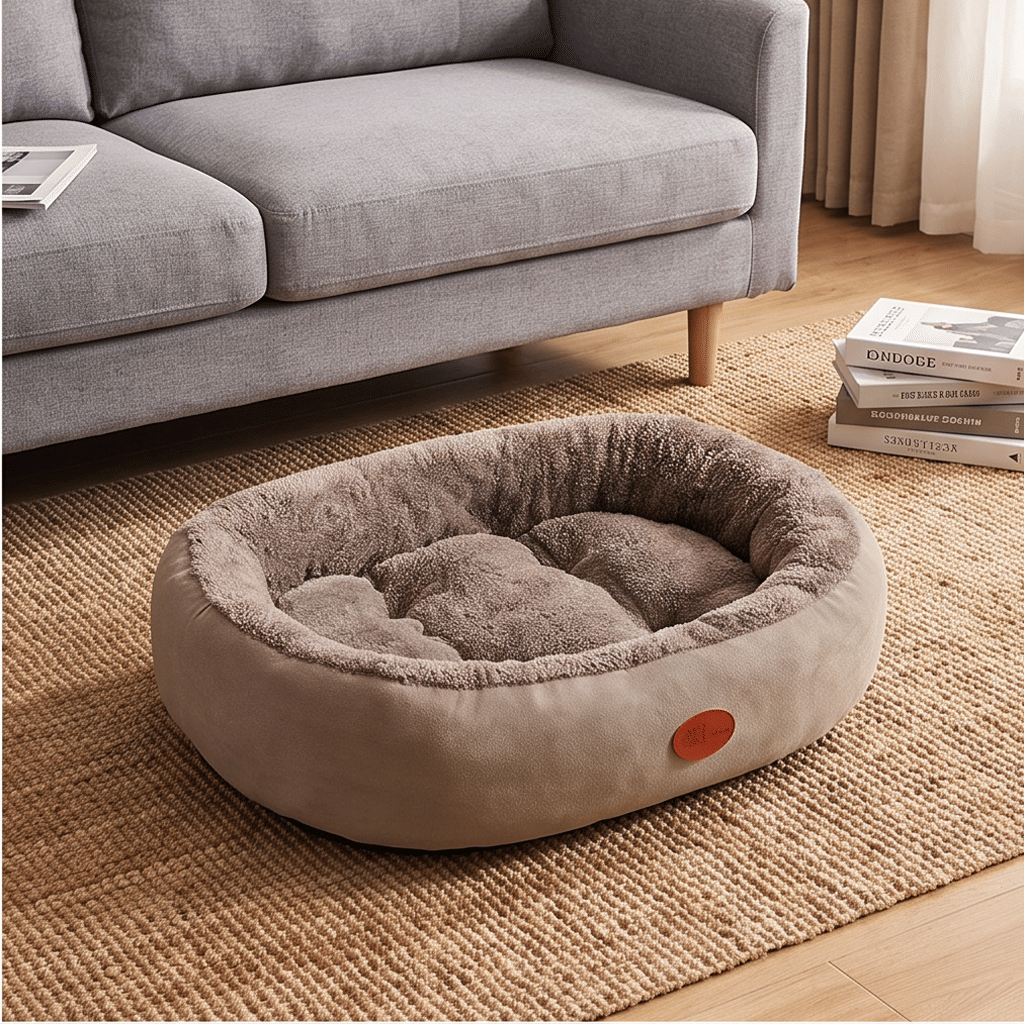
You buy premium pet furniture expecting immediate use. Instead, your cat ignores it and claims the shipping box. This happens constantly. Do not view this as feline stubbornness. It represents a failure to match product features with biological requirements. Indoor cats face specific environmental constraints. They navigate limited territory and live in artificial climate control. They also face higher risks of sedentary joint issues compared to outdoor animals. Selecting the right sleep surface requires evaluating ergonomics and thermal regulation. You must prioritize psychological security over human aesthetics. A bed serves as a functional tool for rest and territorial safety. This guide breaks down structural design and material science to help you select an indoor cat bed. You will learn how behavioral matching ensures high adoption rates. Understanding these core principles guarantees long-term durability and improves daily comfort.
Behavior Dictates Shape: A cat’s preferred sleeping posture (curling, sprawling, or hiding) is the primary predictor of whether they will adopt a new bed.
Elevation Equals Security: Raised designs and structured bolsters provide necessary territorial vantage points, improved posture, and psychological safety for indoor environments.
Maintenance is Non-Negotiable: True product longevity relies on removable, machine-washable covers and moisture-resistant internal liners to manage shedding, dander, and accidents.
Placement Supersedes Product: Even the most ergonomically sound bed will be rejected if placed in high-traffic, drafty, or vulnerable locations; sometimes privacy matters more than softness.
The Biological and Environmental Needs of Indoor Cats
Sedentary Lifestyles and Orthopedic Support
Indoor living naturally reduces hunting and roaming activities. Cats experience longer sleep cycles throughout the day. They maintain lower overall activity levels compared to outdoor animals. This sedentary routine places constant pressure on their joints and skeletal structure. High-density memory foam provides necessary orthopedic support during extended rest periods. It prevents joint stiffness and muscle fatigue after long hours of immobility. Hard flooring exacerbates physical issues for aging felines. They require pressure-relieving sleep surfaces to distribute body weight evenly. Without proper structural support, older cats develop mobility issues much faster. The foam must contour to their specific body shape. This relieves pressure points along the spine and hips.
To ensure proper orthopedic support, evaluate beds against these structural requirements:
Base foam density must exceed 30D to prevent bottoming out under the cat's weight.
The primary sleep surface should offer a minimum of two to three inches of supportive thickness.
Perimeter bolsters must provide firm neck support without forcing the spine into unnatural angles.
The entry point should feature a lowered threshold for senior cats with limited mobility.
Thermal Regulation in Climate-Controlled Homes
Feline basal body temperature ranges from 100.5°F to 102.5°F. This baseline is significantly higher than human body temperature. Indoor cats constantly seek external heat sources to maintain this internal baseline. They rely on environmental warmth to conserve energy while sleeping. Self-warming materials reflect body heat efficiently back to the animal. Breathable fabrics prevent uncomfortable overheating during active grooming periods. Seasonal micro-shifts indoors dictate daily resting behavior. Cold winter mornings drastically increase a cat's preference for high-sided, heat-trapping designs. Drafty floors push them toward elevated surfaces to escape cold air currents. Understanding these thermal needs prevents you from buying a bed that feels too cold.
Material Type
Thermal Property
Best Seasonal Use Case
Faux Fur / Sherpa
High heat retention, reflects body warmth
Winter months, drafty floor plans
Heavy Canvas
Temperature neutral, highly breathable
Year-round use, moderate climates
Cooling Gel Mats
Actively draws heat away from the body
Summer months, un-airconditioned rooms
Microsuede
Moderate insulation, blocks ambient drafts
Fall and Spring transitions
Territorial Security and Stress Reduction
Indoor environments present unique psychological challenges for territorial animals. Cats utilize vertical space to mitigate environmental stressors effectively. They seek enclosed areas to avoid interactions with other pets, energetic children, or loud household noise. A secure sleep location acts as a vital territorial anchor in their daily routine. It reduces chronic stress and baseline anxiety levels. Ground-level exposure often leaves them feeling vulnerable to sudden approaches. Elevated or hooded structures provide a safe, defensible vantage point. They can observe their surroundings without feeling exposed to potential threats. This psychological security directly influences how deeply they can sleep and recover.
Core Evaluation Dimensions: Features to Outcomes
Sizing Guidelines: Getting the Dimensions Right
Accurate sizing determines immediate adoption success. Measure the cat from the tip of the nose to the base of the tail while they sleep. Add three to five inches to this specific measurement. This calculation dictates the ideal bed diameter or overall length. Buying a bed that is too large creates immediate thermal problems. It fails to retain body heat effectively within the sleep area. It eliminates the feeling of physical security. A snug fit traps heat efficiently and mimics the feeling of a protective den. Oversized beds leave too much dead air space. This forces the cat to expend energy staying warm.
Follow these exact steps for accurate measurement:
Wait until the cat is fully asleep in their natural resting position.
Use a flexible tailor's tape to measure the longest point of their body.
Measure the width of their sprawling footprint if they sleep on their side.
Compare these exact dimensions against the internal sleep surface measurements of the bed, not the exterior bulk.
Structural Shape and Enclosure Levels
Different structural shapes serve distinct behavioral and physical needs. A round cat bed acts as a highly efficient doughnut-style heat trap. It is ideal for supporting the natural curled sleeping posture most cats adopt. The raised edges provide excellent bolster support for the spine and head. Cave or hooded beds serve highly anxious cats perfectly. They block cold drafts in open floor plans. They prioritize visual privacy and maximum heat retention. A cat sofa bed works best for multi-cat households sharing a space. Large breeds benefit immensely from the open sprawling space. It offers partial bolster support for head resting without restricting full limb extension.
Elevation and Airflow
Raised beds offer significant health and hygiene benefits. Hammocks, window perches, and legged frames provide immediate joint relief. They bypass cold floor drafts entirely during winter months. Elevation satisfies the primal feline instinct to observe territory from a secure, high vantage point. It keeps the primary sleep surface separated from floor dust. Dirt and dander accumulate much less on elevated fabrics. Continuous airflow beneath the structure prevents hidden moisture buildup. This ventilation stops mold and mildew from forming inside the foam base. Elevated structures also make floor cleaning easier for the household.
Material Science: Crafting a Cozy Cat Bed
Exterior fabrics dictate both daily durability and thermal warmth. Faux fur and thick sherpa excel at heat retention and comfort. Heavy 600D canvas and tight microsuede offer exceptional long-term durability. They resist sharp claw punctures and aggressive scratching behaviors. Interior fill determines long-term comfort and structural integrity. Polyfill remains common but is highly prone to flattening over time. Shredded open-cell memory foam offers superior longevity and shape retention. It contours precisely to the cat's body shape and weight while allowing internal airflow. Choosing the right combination of materials ensures you provide a truly cozy cat bed that withstands heavy daily use.
Assessing Construction Quality and Longevity
Washability and Hygiene Standards
Strict maintenance requirements dictate the actual product lifespan. Hidden zippers prevent accidental chewing damage and hardware ingestion. Removable covers allow for frequent, thorough cleaning cycles. Exterior materials must be machine-washable and tumble-dry safe to handle regular laundering. Waterproof or highly water-resistant inner liners are non-negotiable. They protect expensive foam cores from unexpected vomit or urine accidents. Moisture penetration leads to rapid bacterial growth inside the bed. It ruins the foam structure permanently and creates lingering odors. A washable cover without a waterproof liner offers incomplete hygiene protection.
Sourcing and Manufacturer Transparency
Evaluating a reliable cat bed manufacturer requires checking specific material certifications. Look for CertiPUR-US certified foams to ensure safety. Ensure they use non-toxic fabric dyes and heavy-duty reinforced stitching. Cheap synthetic materials pose significant chemical off-gassing risks in enclosed spaces. Strong chemical odors lead to immediate and permanent bed rejection. Scent-sensitive cats will actively avoid beds with lingering manufacturing smells. Transparent sourcing guarantees a safer indoor environment for your pets. Quality manufacturers readily provide details about their fabric origins and foam density ratings.
Evaluating Long-Term Durability and Material Lifespan
Compare the upfront build quality against the frustration of frequent replacements. Easily flattened alternatives lose their supportive properties within a few months. High-quality zippers resist breaking under the tension of repeated washing. Resilient, dense foam translates directly to a much longer product lifespan. Investing in durable construction yields significantly better long-term performance. It prevents the wasteful cycle of discarding flat, unhygienic pads every season. A well-constructed bed maintains its shape and support for years. This durability ensures continuous orthopedic benefits as your cat ages.
Solution Categories: Matching Bed Architecture to Sleep Styles
The Curler (Heat Seekers)
Many cats sleep tightly curled into a ball to conserve body heat. They require deep structural crevices and high perimeter bolsters. Plush, insulating materials enhance the warming effect of their own body. Bolstered doughnut beds serve this specific sleep style perfectly. Deep-dish designs wrap entirely around the body for maximum thermal insulation. The high walls block ambient room drafts effectively. This shape provides a continuous sense of physical contact, mimicking a littermate.
The Sprawler (Space Maximizers)
Some cats stretch out fully while resting or sleeping deeply. They need flat, expansive surfaces without restrictive barriers. Minimal edge restrictions allow full limb extension and spinal alignment. Cooling gel layers help regulate temperature in warmer climates or during summer. Orthopedic mats provide the necessary joint support without confining walls. A wide sofa design accommodates this sprawling behavior effortlessly. It provides a flat main area with a single side bolster for occasional head support.
The Hider (Privacy Seekers)
Highly anxious cats prefer complete enclosure and darkness. They seek a structural canopy and rigid, protective walls. A single, small entry point allows them to monitor the room safely. Felt caves and structured pods meet these strict behavioral criteria. Covered teepees provide the necessary visual barrier from chaotic household activity. These enclosed spaces muffle loud noises and reduce visual overstimulation. They serve as a reliable retreat during thunderstorms or when guests visit.
Sleep Style
Primary Behavioral Trait
Ideal Bed Architecture
Key Features Needed
The Curler
Seeks maximum heat retention
Doughnut or Deep-Dish
High bolsters, plush faux fur, circular shape
The Sprawler
Requires full limb extension
Orthopedic Mat or Sofa
Flat surface, memory foam core, open edges
The Hider
Prioritizes visual privacy
Cave, Pod, or Teepee
Rigid canopy, single entry, noise-muffling fabric
Overall Value Influencing Factors: Conceptual Trade-offs
Aesthetics vs. Feline Functionality
Homeowners often prioritize interior decor over proper ergonomics. Minimalist wicker baskets or sleek leather loungers look great in a modern living room. However, these rigid materials rarely serve the cat's actual ergonomic needs. They lack necessary heat retention and fail to offer pressure relief. Finding the middle ground requires intentional compromise. Choose neutral-colored plush fabrics that match your upholstery. Select structured shapes that blend with human furniture but retain high, soft bolsters. Do not sacrifice the cat's daily comfort merely for visual appeal. A beautiful bed is useless if it remains permanently empty.
Off-the-Shelf vs. Custom Pet Bed Solutions
Standard retail sizes do not fit every household situation. A custom pet bed becomes a necessary investment for highly specific needs. Built-in furniture enclosures require exact, non-standard dimensions. Disabled or senior cats need unique orthopedic configurations for easy access. Hypoallergenic material mandates require specialized fabric sourcing to prevent skin reactions. Compare the benefits of premium custom builds against replacing mid-tier commercial beds annually. Custom solutions solve persistent behavioral rejection issues definitively. They integrate seamlessly into your home while providing exact ergonomic support.
Implementation Risks: Mitigating Bed Rejection
Strategic Placement Frameworks
Physical location dictates adoption success more than the bed itself. Place beds in socially significant but distinctly low-traffic areas. A quiet corner of the main living room works exceptionally well. Elevated sturdy shelves provide excellent, safe vantage points. Privacy often supersedes material softness for nervous cats. Unconventional placements succeed frequently when standard spots fail. Try clearing closet shelves or utilizing under-bed corners. Avoid placing beds near noisy litter boxes or active food stations. Keep them at least ten feet away from feeding areas. Keep them far away from drafty exterior entryways or heating vents that blow directly on them.
The Scent Transition Protocol
New synthetic materials carry unfamiliar, intimidating smells. Neutralize factory odors immediately upon unboxing. Wash the removable cover thoroughly before the first use. Transfer the cat's established scent to the new surface intentionally. Place worn t-shirts or existing unwashed blankets inside the sleep area. Use high-quality catnip sprays to encourage initial physical exploration. Familiar scents signal safe territorial ownership to the animal. This simple protocol drastically reduces the initial rejection phase. It builds immediate positive associations with the new furniture.
Conclusion
Audit your current pet furniture for flattened foam, torn seams, or lingering odors that cause avoidance.
Measure your cat from nose to tail base while they sleep to determine the exact dimensional requirements for their next bed.
Select a cat bed for indoor cats featuring removable, machine-washable covers and internal waterproof liners to ensure long-term hygiene.
Implement a strict scent transition protocol immediately upon purchase by washing the cover and adding familiar blankets to the sleep surface.
FAQ
Q: How often should I wash an indoor cat bed?
A: Wash the removable exterior cover every two to four weeks. This frequency removes accumulated dander, loose fur, and environmental dust. If your cat has fleas or a skin condition, increase washing to once a week. Always check the internal waterproof liner for accidental moisture breaches during each wash cycle.
Q: Why does my cat prefer the hard floor over a plush bed?
A: Cats often choose hard floors when they are overheating. Plush beds trap body heat efficiently, which becomes uncomfortable during summer months or in heavily heated rooms. If they consistently choose the floor, switch to a cooling gel mat or a breathable canvas fabric rather than heavy sherpa.
Q: Are electrically heated beds safe for indoor cats?
A: Yes, provided they are specifically designed for pets and feature chew-resistant cords. Pet-safe heated beds operate at a low wattage to match a cat's natural body temperature. Never use human heating pads. They reach dangerously high temperatures and can cause severe thermal burns.
Q: How do I know if the bed I bought is too small?
A: A bed is too small if your cat's limbs consistently hang over the rigid edges while resting. If they struggle to turn around comfortably inside a hooded cave, the diameter is insufficient. They should be able to curl up completely without their spine pressing hard against the perimeter.
Q: Can memory foam help older cats with arthritis?
A: Absolutely. High-density memory foam contours to the cat's body, distributing weight evenly. This eliminates painful pressure points on arthritic hips and shoulders. It prevents the joints from sinking through to the hard floor, making it much easier for senior cats to stand up after resting.
Q: What is the best material for a cat that sheds heavily?
A: Tightly woven fabrics like canvas, microsuede, or heavy denim are best for heavy shedders. These smooth materials prevent fur from weaving into the fabric fibers. Avoid fleece, sherpa, or faux fur. These textures trap loose hair tightly and are incredibly difficult to vacuum clean.
ABOUT US
We are a manufacturer specializing in eco-friendly packaging , pet supplies and home solutions, with 20 years of R&D and production experience in pet supplies. Now we have decided to go global, making our products accessible to everyone in every corner of the world.